
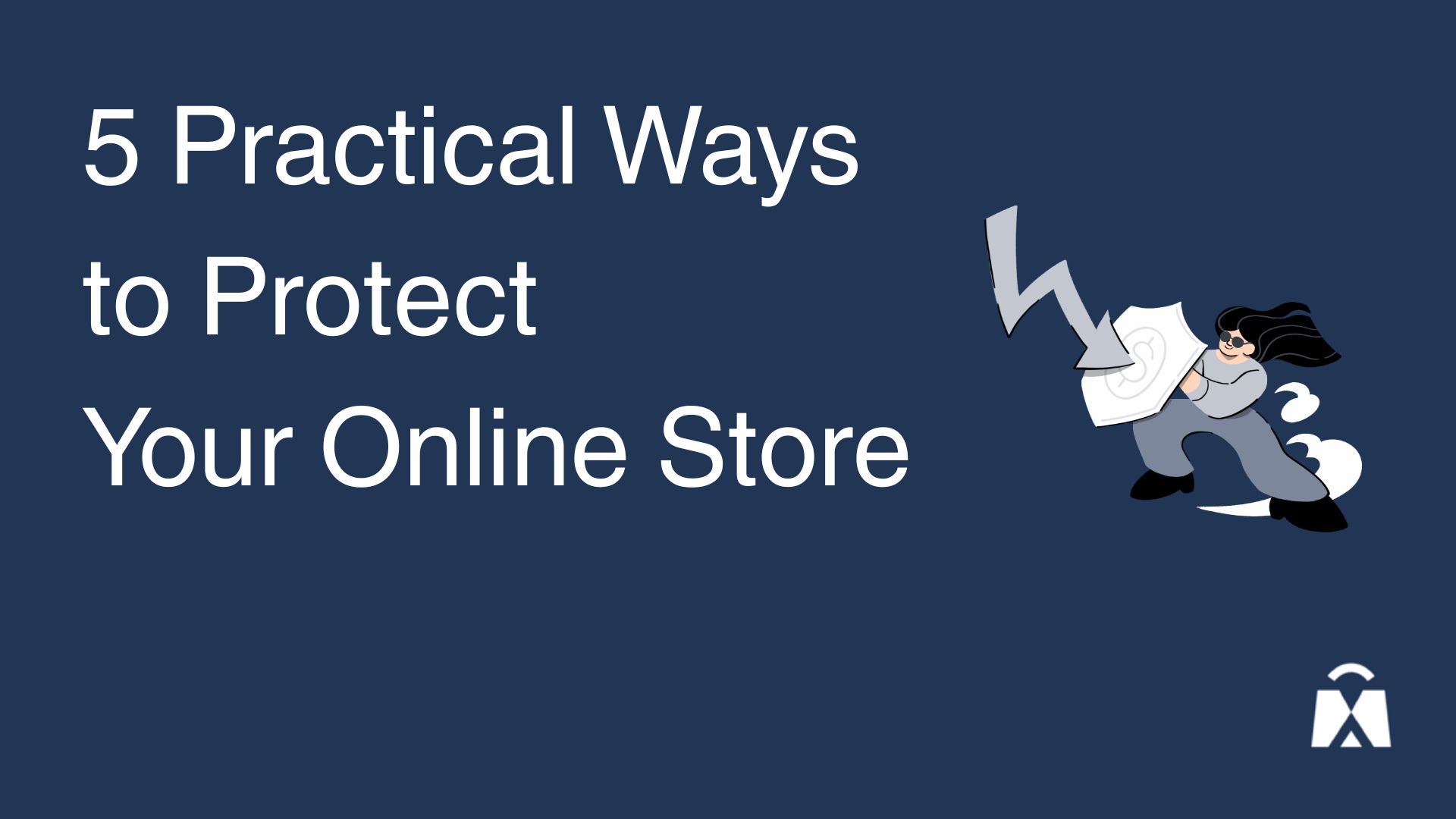
Most online store owners are familiar with the basics of security: SSL certificates, platform updates, and strong passwords. While these are essential, they’re only the foundation.
Real security is built through small, consistent actions that are often overlooked - but can make the biggest difference when something goes wrong.
1. Review Extensions and Modules Regularly
Many security issues don’t originate from your core website code, but from third-party plugins and extensions. Outdated or poorly maintained modules can open the door to vulnerabilities.
Only use extensions from trusted sources, remove anything you no longer need, and keep all active modules up to date.
2. Set Up and Test Regular Backups
Backups are your safety net. If your store experiences a failure, data corruption, or a security incident, having recent backups allows you to recover quickly without major downtime or data loss.
Backups should be automatic, stored securely, and tested periodically to ensure they actually work when needed.
3. Limit Login Attempts
Brute-force attacks rely on unlimited login attempts. Limiting failed login attempts is a simple but effective way to block this type of attack.
After a defined number of failed attempts - typically three to five - temporarily lock access to prevent further abuse.
4. Restrict Access and Use Two-Factor Authentication
Not everyone needs full admin access. Keeping permissions limited reduces the risk of accidental changes, internal misuse, or compromised accounts.
Adding two-factor authentication provides an extra layer of protection, especially for admin and high-privilege users.
5. Log All Admin Activity
Tracking actions in the admin panel helps you understand what changed, who made the change, and when it happened.
These logs are invaluable during troubleshooting, audits, or security incidents, and can significantly reduce recovery time.
Security Is an Ongoing Process
Security isn’t a one-time task - it’s a habit. By consistently applying small, practical measures, you reduce risk, improve stability, and build long-term trust with your customers.
Comments
Sign in to like or reply to comments.